Wedding flowers for Down House ceremonies and photos
Posted on 01/10/2026
If you are planning Wedding flowers for Down House ceremonies and photos, you are probably trying to strike that awkward but important balance: the flowers need to look beautiful in person, photograph well, and suit a historic setting without taking over the whole scene. Down House has a calm, elegant feel, so the florals should work with that atmosphere rather than fight it. That sounds simple enough, but in practice there are a lot of moving parts. Bouquet shape, colour palette, timing, weather, transport, and photo angles all matter more than people expect. And yes, the wrong arrangement can look lovely in the shop and oddly heavy in a ceremony room. Let's make sure yours doesn't.
This guide breaks down how to choose wedding flowers for a Down House ceremony, what photographs best, which styles work for different moments of the day, and how to avoid the common mistakes couples make when they are trying to do too much at once.
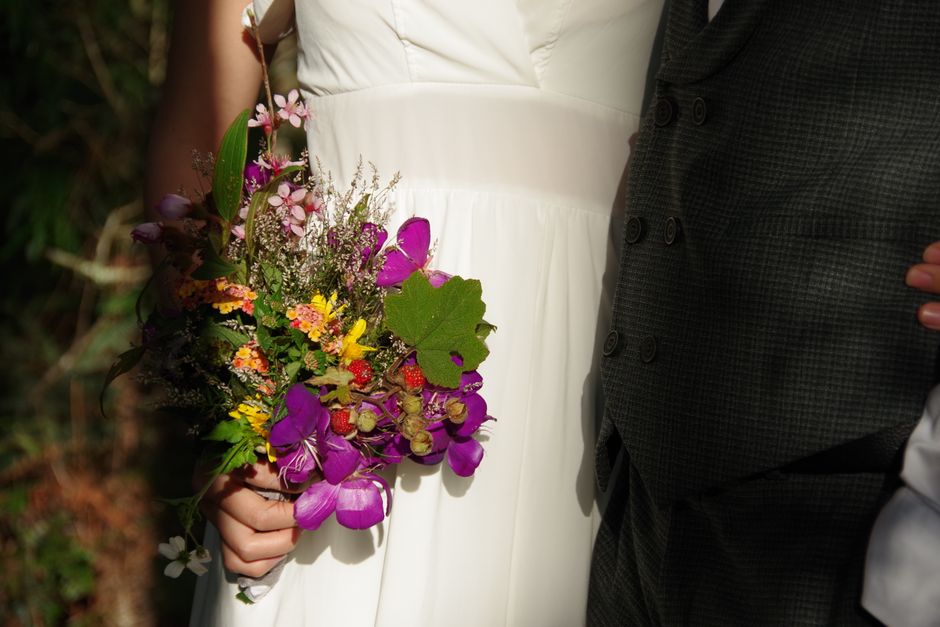
Why Wedding flowers for Down House ceremonies and photos Matters
Wedding flowers do more than decorate a room. At a place like Down House, they help set the tone for the whole celebration. The building and grounds already bring character, so the florals should enhance the story rather than compete with it. In the ceremony, flowers frame the vows. In the photos, they help connect people, outfits, and surroundings into one coherent look. That is the real job.
Photos are where this becomes very obvious. A bouquet that looks rich and romantic from the front can disappear in a wide shot, or clash with stone, wood, and natural daylight. Likewise, large statement pieces can look wonderful in close-up but overwhelm smaller spaces or narrow aisles. If you have ever looked at a wedding photo and thought, "Something feels a bit off there," it is often the flowers. Not bad flowers. Just slightly wrong for the setting.
Down House ceremonies and photos usually benefit from arrangements that feel polished, natural, and not too fussy. Think soft structure, clean colour transitions, and flowers that hold their shape well. The best designs usually respect the venue's historic character, the season, and the camera. All three. Not one, not two - all three.
Expert summary: For Down House, choose flowers that complement the venue's elegance, keep sightlines open, and read clearly on camera. If the design looks good from the aisle and in a wide photo, you are on the right track.
How Wedding flowers for Down House ceremonies and photos Works
The process is usually more straightforward than couples fear, but it works best when you think in layers. First, there is the overall visual direction. Then you choose the bouquet and wearable flowers. After that come ceremony pieces, buttonholes, bridesmaid flowers, and any table or signing-table arrangements. Finally, everything has to be timed so it arrives fresh and looks good for the key moments.
For a venue setting like Down House, the flowers need to do double duty. They must look refined during the ceremony, then still appear fresh and balanced when the photographer starts moving everyone around outside or across the grounds. Sunlight changes fast. A bouquet that looks cool and creamy in shade may photograph warmer at 3pm, then look flatter later in the day. Tiny detail, big difference.
A good florist will usually think about:
- Scale: the flowers should suit the size of the ceremony area and the couple's proportions.
- Palette: colours should complement outfits, venue tones, and the season.
- Texture: mixing focal blooms and softer filler flowers adds depth without clutter.
- Stability: stems and mechanics must hold during transport and photos.
- Timing: flowers need to stay fresh from delivery through the last picture.
There is also a practical side that people often forget. If you want florals to move easily between ceremony and photos, the design should be portable. A huge fixed display might be lovely, but if it never gets reused in the day, you are paying for something that only shines in one moment. That can be fine, of course, if that is the look you want. Just be clear-eyed about it.
Key Benefits and Practical Advantages
Well-chosen wedding flowers make a Down House celebration feel finished. Not overdone. Finished. That difference matters. Here are the main advantages couples notice when the floral plan is done properly.
- Better wedding photos: flowers add softness, colour, and focus points for close-up and group shots.
- A stronger sense of place: the right arrangements help the venue feel intentional and personal.
- More flattering portraits: bouquet size, shape, and colour can improve how dresses, suits, and skin tones appear.
- Smoother ceremony styling: aisle and altar arrangements create visual structure without making the space feel crowded.
- Less stress on the day: when flowers are planned around timing and transport, there is less rushing and fewer awkward last-minute decisions.
There is also a quieter benefit: flowers help people relax. Sounds a bit sentimental, maybe, but it is true. A well-set floral scene makes the day feel cared for. Guests notice it even if they do not say so. The room just feels ready.
If you are deciding where to focus your budget, it often makes sense to prioritise the bouquet, buttonholes, and the flowers that appear in the most photographs. Then add ceremony pieces if they genuinely support the ceremony layout and the image story. That is usually a smarter approach than spreading the budget too thin.
Who This Is For and When It Makes Sense
This kind of floral planning makes sense for couples who want their wedding to feel polished, cohesive, and photo-friendly. It is especially useful if you are getting married at a historic venue, a garden setting, or a space where the architecture already does a lot of visual heavy lifting. Down House is exactly the sort of place where flowers should support the setting, not shout over it.
You will probably benefit from a considered floral plan if:
- you care about photography and want the flowers to look good from multiple angles;
- you want the ceremony to feel elegant without looking too formal or stiff;
- you have a clear colour scheme and want the flowers to tie it together;
- you are working with a seasonal palette and need guidance on what is realistically available;
- you want bouquets and buttonholes that stay comfortable to carry and wear.
It also makes sense if you are not a flower expert. Most people are not, and that is fine. You do not need to know the difference between every stem type to get this right. You do need a few clear decisions, a realistic budget, and someone who understands how venue styling and photography work together. That combination saves a lot of faffing about later.
If you are planning a smaller ceremony, you may only need the essentials: bridal bouquet, bridesmaid bouquet, buttonholes, and one or two focal arrangements. For larger celebrations, you can build a fuller floral story with ceremony arrangements, table flowers, and perhaps a matching collection. Both can work beautifully.
Step-by-Step Guidance
Here is the clearest way to plan wedding flowers for Down House ceremonies and photos without getting buried in options.
- Start with the venue mood. Look at the venue's architecture, interior tone, and outdoor backdrop. Is the setting formal, soft, rustic, or classic? Your flowers should echo that mood.
- Choose the visual style. Decide whether you want romantic, modern, garden-style, vintage, or refined minimalist flowers. If you try to mix all five, things get muddy fast.
- Set the palette. Build around two to four colours, then choose a dominant tone and a supporting accent. White and green, blush and cream, or soft pink with delicate purple can all work well depending on outfits and season.
- Pick the hero pieces first. Start with the bridal bouquet, bridesmaid bouquets, and buttonholes. These appear in the greatest number of photos and should define the style.
- Plan ceremony flowers around sightlines. Make sure key arrangements do not block the couple, registrar, or guest view. A narrow aisle needs lighter styling than an open outdoor setup.
- Think about reuse. Ask how certain arrangements can move from ceremony to photos or reception. This can improve value without making the design look thin.
- Confirm practical details. Delivery timing, placement, water sources, parking, access, and collection all matter. This is the unglamorous part. Still important.
- Do a final photo test. Imagine the bouquet in bright daylight, in soft indoor light, and in a close portrait. If it works in all three, you are in a good place.
A small example helps. If a couple chooses ivory roses, lisianthus, and soft greenery, the bouquet may read beautifully in close-up, but the arrangement should also include enough contrast to stand out in group shots. Without contrast, the flowers can merge into the dress. Nice in theory. Slightly frustrating in photographs.
Expert Tips for Better Results
After seeing a lot of wedding florals through the lens of ceremony flow and photography, a few patterns come up again and again. These are the details that elevate the result.
Keep the bouquet camera-friendly
A bouquet should have enough shape to be seen from the side and front. Round bouquets are classic, but loosely gathered hand-tied designs often photograph more naturally at Down House because they soften formal outfits and stone surroundings. If the bouquet is too dense, it can look heavy in portrait shots.
Use texture, not just colour
Texture gives depth. Roses, lisianthus, alstroemeria, orchids, and gentle foliage can create layers that feel rich without being loud. A single tone can still look interesting if the textures are varied. That is one of those small florist tricks that does a lot of work.
Match flower size to photo distance
If most images will be wide or mid-range, slightly larger focal blooms help the flowers read clearly. If the photography is mostly close-up and intimate, finer blooms and lighter movement can look lovely. There is no single right answer here, only what suits your plan.
Keep buttonholes simple and secure
Buttonholes are easy to overlook, but they show in group portraits more than people expect. They should be neat, lightweight, and securely finished. A buttonhole that droops after twenty minutes can spoil an otherwise sharp suit line. Nobody wants that.
Be honest about the season
Seasonal flowers are often the easiest way to keep arrangements fresh-looking and believable. You do not need to chase the most exotic bloom on the planet. Seasonal flowers usually look more natural in the setting, and they are often easier to source in the right condition.
Think in photographs, not just in arrangements
Ask where the flowers will appear: entrance shots, aisle shots, couple portraits, signing table, group photos, or cake table. Each of those needs slightly different visual treatment. That perspective is what separates decorative flowers from wedding flowers that genuinely work.
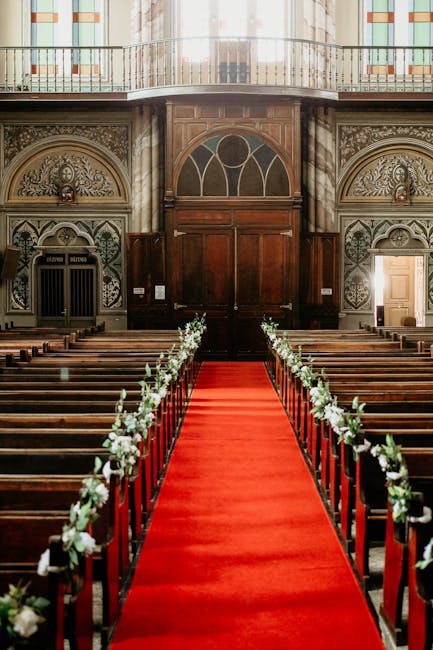
Common Mistakes to Avoid
Couples usually do not get wedding flowers wrong because they do not care. They get them wrong because there are too many choices and the day is already full of decisions. Fair enough. These are the mistakes worth watching for.
- Choosing flowers only by colour: tone matters, but so do shape, texture, and how the flowers photograph.
- Ignoring the venue scale: oversized arrangements can crowd a small space, while tiny ones can disappear in a grander setting.
- Overcomplicating the palette: too many colours can make the final look feel unfocused.
- Forgetting transport and weather: flowers need to survive movement, temperature changes, and waiting around before the ceremony.
- Leaving bouquets until last: the bouquet drives the overall look, so it should be decided early.
- Not planning reuse: if flowers can move from ceremony to photographs or reception, the budget usually works harder.
- Picking blooms that bruise easily: some flowers are beautiful but delicate, which can be awkward in a busy wedding day.
One of the easiest mistakes to avoid is this: do not ask your florist to make everything "a bit of everything." It sounds helpful, but it tends to dilute the design. Better to have one clear direction. Cleaner. Quieter. More confident.
Tools, Resources and Recommendations
You do not need a complicated toolkit, but a few practical resources make planning much easier.
- Venue photos: pictures of Down House ceremony and photo areas help you judge scale and light.
- Dress and suit references: fabric texture, neckline, and colour can influence bouquet shape and stem handling.
- Palette swatches: digital mood boards are useful, but physical fabric or paper swatches are even better for real-world comparison.
- Seasonal flower references: a good florist can suggest flowers that fit the time of year and your chosen style.
- Delivery and care guidance: follow florist advice for keeping bouquets hydrated and handling buttonholes properly before the ceremony.
If you want to explore flower categories that suit weddings, these can be helpful starting points: wedding flower collections, bridal bouquets, bridesmaid bouquets, buttonholes, and table arrangements. For a broader overview of local flower delivery options, you can also look at wedding flowers in Downe BR6 and flower delivery in Downe BR6.
For couples still gathering ideas, a florist with a wider range can help with everything from the main bouquet to small finishing touches. That matters more than people think. A tiny detail, like a matching corsage or a carefully chosen green stem, can pull the whole story together.
Law, Compliance, Standards, or Best Practice
For wedding flowers, there usually is not much in the way of legal complexity, but there are still best-practice points to keep in mind. If the ceremony is taking place at a venue with its own rules, always check what is allowed for set-up, movement, and post-ceremony collection. Historic settings often have practical limits around placement, fixtures, and access. Nothing dramatic, just sensible venue management.
It is also sensible to be clear on timing, responsibility, and any cancellation or substitution terms before you confirm an order. Floral work is seasonal and weather-sensitive, so a professional florist will often explain that some stems may need substitution if availability changes. That is normal, and honestly it is usually better than forcing in a bloom that arrives tired.
Best practice also means thinking about care and safety. Keep bouquets hydrated before the ceremony, store flowers out of direct heat, and make sure any displays do not create trip hazards or block routes. If you are using candles, fabrics, or delicate surfaces nearby, be extra careful with placement. Weddings are busy enough without somebody nudging a vase into the wrong place.
Where possible, choose a florist who gives clear guidance on delivery, setup, and aftercare. Transparent communication is a good sign. So is an ability to say, "That flower would not be the best choice for your timing." It shows judgement, which is exactly what you want on a wedding day.
Options, Methods, or Comparison Table
There are a few ways to approach wedding flowers for a Down House ceremony, depending on budget, style, and how much you want to cover on the day.
| Option | Best for | Pros | Watch-outs |
|---|---|---|---|
| Bridal bouquet only | Very small ceremonies or minimal styling | Simple, elegant, budget-friendly | Limited visual impact in wider photos |
| Bouquet + buttonholes | Classic intimate weddings | Clean look, easy to manage, strong photo value | May feel sparse if the ceremony space is large |
| Full ceremony set | Couples wanting a dressed venue | Stronger atmosphere, better transition into photos | Needs more planning and transport coordination |
| Reusable floral plan | Budget-conscious couples who want impact | Good value, flowers work across the day | Requires careful timing and placement |
| Statement styling with collections | Larger weddings or highly styled shoots | Strong visual identity, polished finish | Can become costly if every element is bespoke |
In many cases, the best value comes from a focused mix: one standout bouquet, complementary bridesmaid flowers, neat buttonholes, and a smaller number of well-placed ceremony arrangements. That usually gives you more useful coverage than spending the same money on too many tiny pieces. Not always, but often enough to matter.
Case Study or Real-World Example
Here is a realistic example. A couple planning a late-spring ceremony at Down House wanted a look that felt soft, timeless, and not too formal. They loved white flowers, but did not want the day to look flat in photos. So the design used white roses, lisianthus, gentle greenery, and a few carefully placed blush accents for warmth.
The bridal bouquet was medium-sized and rounded enough to look elegant in portraits, but loose enough to feel natural in outdoor shots. Bridesmaid bouquets were a little lighter so the bride's flowers stood out without looking bossy - floral hierarchy, if you like. Buttonholes were kept clean and minimal. Ceremony flowers were reused for post-vow photos near the building, which helped create consistency across the album.
The main lesson from that kind of setup is simple: the flowers looked composed in the ceremony space and still made sense when the photographer moved outside. That consistency matters. You do not want the mood to shift dramatically from room to garden unless that is a deliberate choice. A bit of contrast is good. A random style jump, not so much.
One small moment stuck with them, apparently: when the bouquet was handed over just before the ceremony, the room went quiet for a second. Not because it was overblown. Because it was right. Sometimes that is the whole job of wedding flowers. To fit the moment so well that nobody notices the mechanics underneath.
Practical Checklist
Use this checklist to make sure your floral plan is ready for ceremony and photo day.
- Choose a bouquet style that suits your dress, suit, and venue.
- Keep the colour palette focused and easy to photograph.
- Confirm which flowers need to appear in the key photos.
- Check whether ceremony flowers can be reused later.
- Make sure buttonholes are secure and simple to wear.
- Ask about seasonal substitutions before you finalise the order.
- Confirm delivery time, access, and any venue rules.
- Plan storage so flowers stay fresh before the ceremony.
- Match floral scale to the room or outdoor setting.
- Review how the flowers will look in shade, bright daylight, and indoor light.
If you can tick off those points, you are already ahead of the curve. Honestly, a lot of stress disappears once the practical pieces are sorted.
Conclusion
The best Wedding flowers for Down House ceremonies and photos are the ones that feel calm, thoughtful, and visually balanced. They support the venue rather than competing with it, and they hold their own in the photo album without shouting for attention. That is the sweet spot.
Whether you want something classic and quiet or a little more layered and romantic, the trick is to plan for real life: the ceremony flow, the camera, the weather, and the pace of the day. If you keep those things in mind, the flowers will do more than decorate the venue. They will help tell the story of the day, properly.
Get a free quote today and see how much you can save.
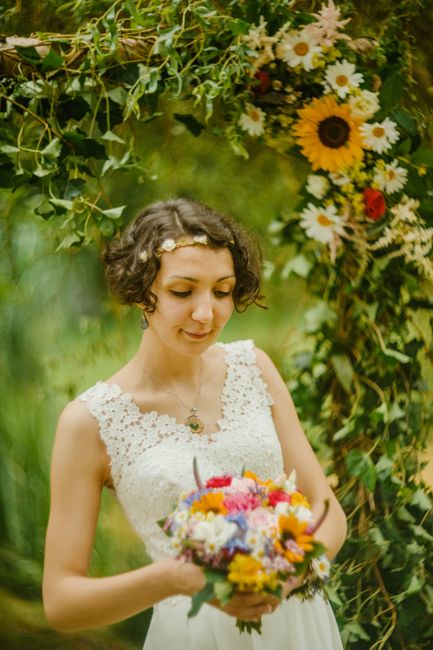
Frequently Asked Questions
What flowers work best for Down House wedding photos?
Flowers that photograph well at Down House usually have clear shape, gentle texture, and a colour palette that suits the venue's elegant backdrop. White roses, lisianthus, orchids, alstroemeria, and soft greenery are all common choices because they look refined without overpowering the scene.
How far in advance should I order wedding flowers for a Down House ceremony?
As early as you can, especially if you want a specific style or seasonal flowers. Booking in advance gives time to refine the palette, confirm the bouquet shape, and make sure the flowers suit both the ceremony and photography plans.
Can wedding flowers be reused from the ceremony for photos?
Yes, and it is often a smart way to get more value from the design. Ceremony flowers can sometimes be moved to areas used for portraits or group shots, provided the setup and timing allow it.
Should I choose seasonal flowers for a Down House wedding?
Seasonal flowers are usually a sensible choice because they are more likely to be fresh, appropriate for the time of year, and visually natural in the setting. They also tend to be easier to source in the right condition.
What size should the bridal bouquet be?
It should be proportionate to your height, dress, and the overall style of the day. A bouquet that is too large can dominate the frame, while one that is too small may disappear in wider shots. Balanced is the goal.
Do buttonholes matter for wedding photos?
Very much so. Buttonholes are visible in group photos, close-up portraits, and candid moments. A neat, secure design helps the whole wedding party look polished.
How do I keep flowers looking fresh on the day?
Follow the florist's care instructions, keep arrangements cool, and avoid direct heat or sunlight before the ceremony. Good timing matters too. Flowers should arrive with enough time for setup, but not so early that they sit around unnecessarily.
What if I am on a tighter budget?
Focus on the most visible pieces first: the bridal bouquet, bridesmaid bouquets, and buttonholes. Then add ceremony flowers only if they will make a meaningful difference to the space or photos. A smaller, well-planned floral set often looks better than a stretched budget trying to cover everything.
Are white flowers a safe choice for Down House?
Yes, but they usually work best when they include some texture or subtle contrast. Pure white can look very elegant, yet it may need greenery, cream tones, or another soft accent so the arrangement doesn't flatten in photographs.
Can I ask for a custom floral style?
Absolutely. Many couples bring a mood board or a few reference images. A good florist can translate those ideas into a design that suits the venue, season, and practical needs of the day.
What should I tell the florist before I book?
Share the venue, ceremony time, number of bouquets and buttonholes, preferred colours, any outfit details, and whether you want flowers reused later in the day. The more practical detail you give, the easier it is to create a design that actually works.
Is it okay to keep the floral plan simple?
Yes, and sometimes simple is the strongest option. A clean bouquet, neat buttonholes, and one or two well-placed arrangements can look more elegant than a crowded floral scheme. There is no prize for overdoing it.
At the end of the day, the right flowers make the whole wedding feel more like you. Quietly, beautifully, and in the best possible light.


